

sticks and solves your problems.
Products & Solutions

We offer both proven, standardised adhesives and customised solutions tailored to specific requirements.
As a medium-sized partner serving a wide range of industries, we support existing as well as emerging applications and markets with new product developments.
Our close collaboration with customers enables direct technical support and efficient, application‑focused development for series production.
With a clear focus on sustainability, we increasingly work with bio‑based raw materials and develop environmentally conscious systems, including our bio‑based and/or biodegradable product lines BIOFUSER® and BIOPOW®.
individually tailored to perfection.
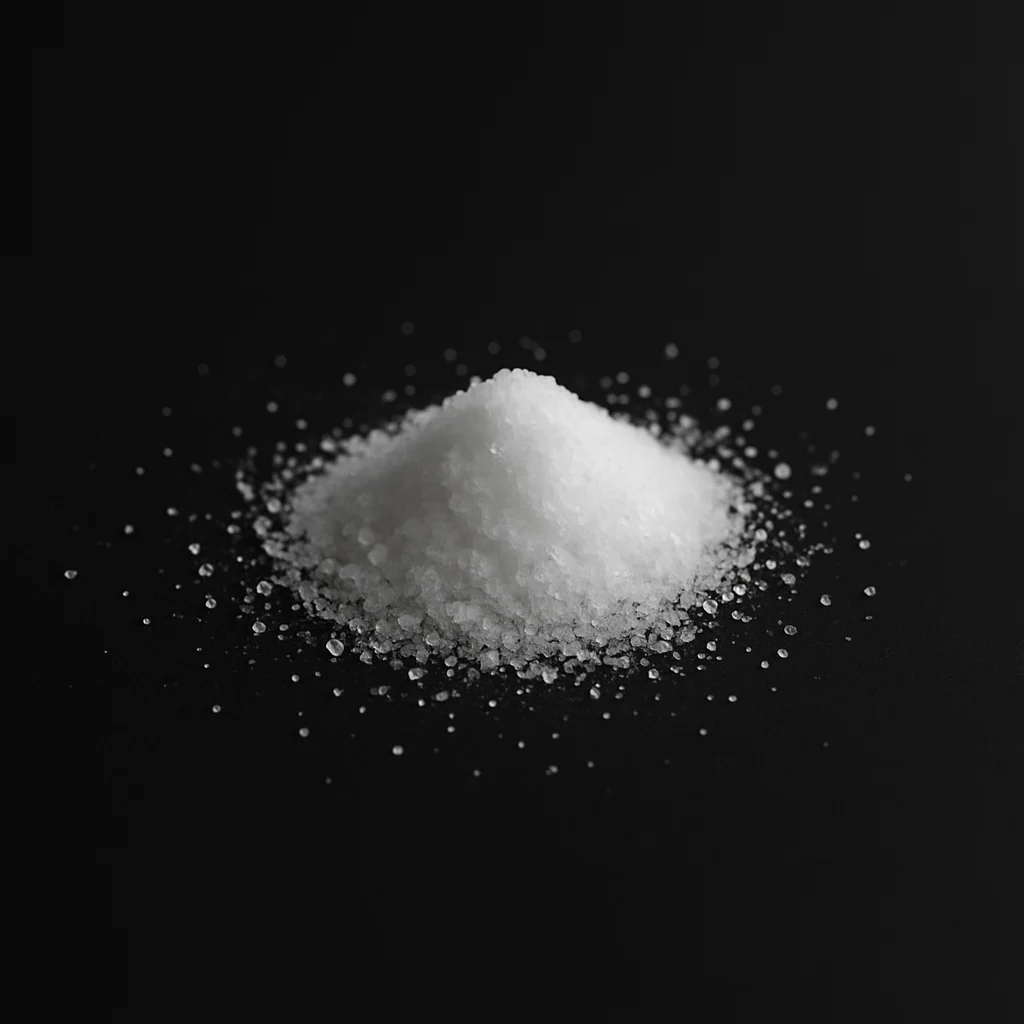

The ROWALIT™ range – from ROWAK AG – comprises thermoplastic polymer powders, particularly those based on copolyamide, PA6, PA66, PA12, copolyester, PBT, PET, TPU, LD/HDPE, PP and EVA, and forms the core of its hot-melt adhesive solutions.
Customisable material properties
ROWALIT™ powders and granules can be adjusted to specific requirements such as bonding behaviour, melt viscosity, particle size, and fixation temperature.
Broad range for diverse applications
A wide selection of melting points and flow characteristics allows a precise fit for applications such as lamination, filter bonding, screen printing, or heat transfer printing, to name just a few.
Compatibility with ROWAFLEX™ additives
The ROWAFLEX™ range (e.g. TH3, DF2, X502) complements ROWALIT™ and BIOPOW® powders for formulation‑flexible, paste‑based, or functionalised applications.
In‑house testing capabilities
Application‑oriented pre‑testing, including laminations, fixation tests, and process validations, supports reliable use under practical production conditions.
Environmental added value with BIOFUSER® and BIOPOW®
ROWALIT™ is also available as bio‑based raw materials, offering comparable performance in relevant applications.
Unleash and experience: Our hotmelts deliver what they are designed for — from the beginning to the end of the application’s life cycle.
Willing to explore more on EVA vs. COPA vs. COPES, or a recommendation for a specific application such as wash resistance, direct lamination, or filter bonding?
Typical applications:
- Textile lamination
- Technical textiles
- Footwear components (leather, textiles, non-wovens, etc.)
- Carpet applications (automotive, indoor, outdoor, etc.)
- Medical textiles
- Filter materials
- Heat transfer printing
- Hygiene products
Tell us about your particular challenge: we can provide further advice or make specific recommendations. Following your Needs.
The perfect ingredient for sustainable, flexible adhesive formulations.
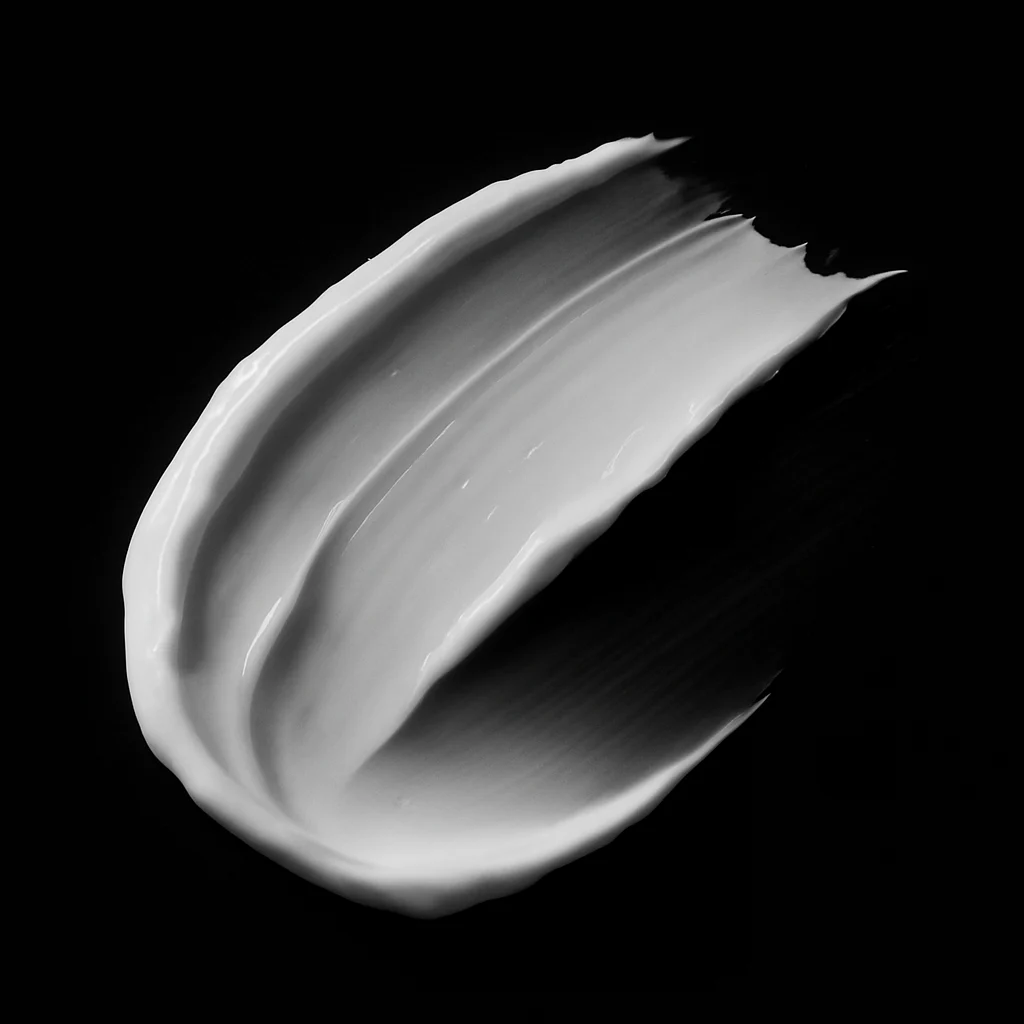

The additives in the ROWAFLEX™ series – when combined with ROWALIT™ and BIOPOW® powders, they enable highly functional adhesive systems that are precisely tailored to industrial requirements. They offer a significant improvement in performance, formulation flexibility, practical validation and sustainable options.
The ROWAFLEX™ series of additives from ROWAK AG are designed to specifically modify, enhance and functionally expand thermoplastic adhesive systems – in particular powder adhesives such as ROWALIT™ and BIOPOW®.
Targeted functionalisation:
Adjustment of viscosity, adhesion, crosslinking behaviour, print stability, and flow characteristics
Process optimisation:
Support for easier application, screen printing, emulsification, direct lamination, and related processes
Solvent‑free & environmentally conscious:
ROWAFLEX™ additives are available as water‑based systems or solid additives
High formulation compatibility:
Optimally matched to ROWALIT™ and BIOPOW® powders and compatible with many other polymers
Reproducible results:
Additives have been extensively evaluated in our technical centre and in practical customer projects
Effective at low dosage:
Functional impact already at low addition levels (in selected applications in some cases below 1%)
Typical applications:
- Textile printing additives
- Printable adhesives/heat-sealable pastes
- Interlinings
- Stabilisers and emulsifiers
- Aqueous paste formulations
- Additives for powders in water suspensions/dispersions
- Surface coatings/textures
- Technical textiles
- Coating of packaging and paper (e.g. grease, oil or oxygen barriers)
- Flame-retardant paste formulations
- Additives with antimicrobial properties
- Colour pastes for textile applications
Tell us about your particular challenge: we can provide further advice or make specific recommendations. Following your Needs.
the unique combination of bio‑based materials and performance.
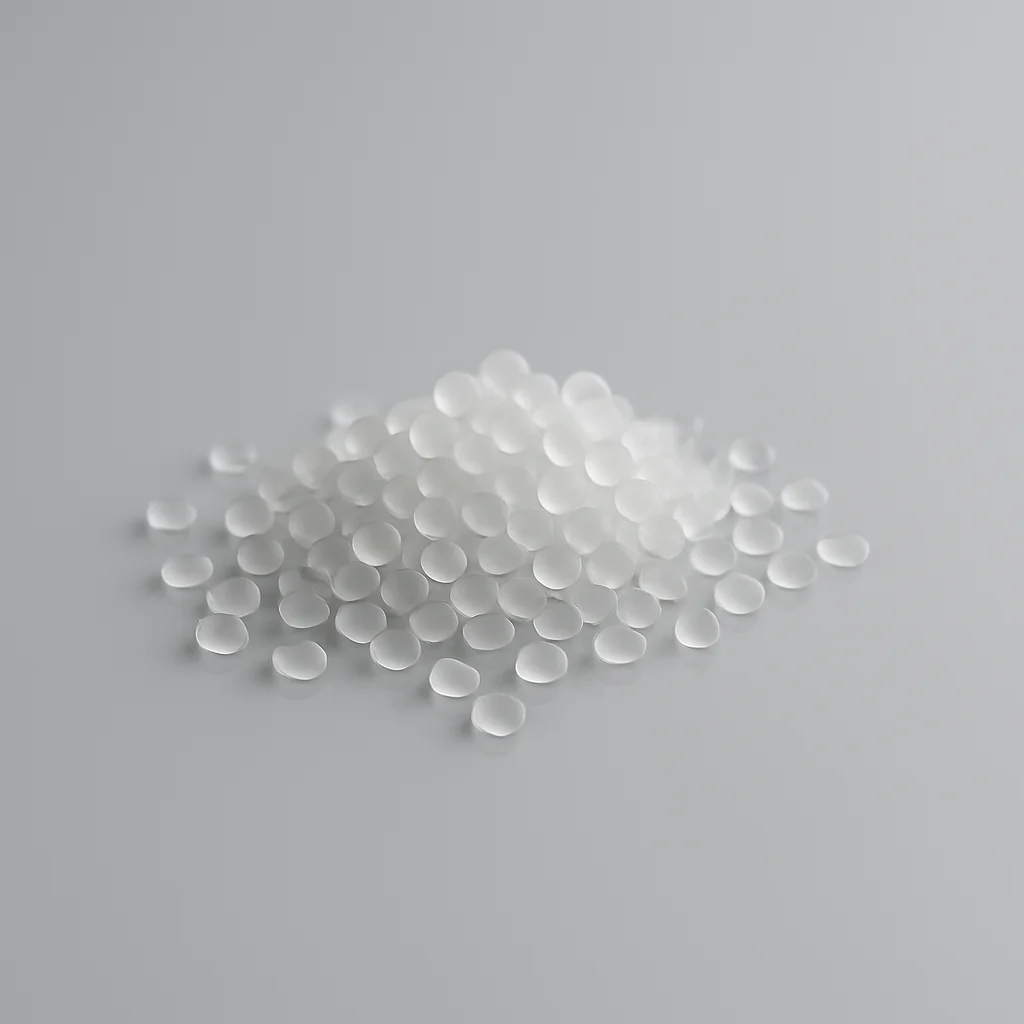

BIOFUSER® (granulate) and BIOPOW® (powder) comprise hotmelt adhesive product series in which the raw materials used — depending on the formulation—
- contain a biogenic carbon content (determined by the C¹⁴ method in accordance with EN 15440 or ASTM D6866) and/or
- include biodegradable components.
Any statements regarding biodegradability or compostability refer exclusively to individual raw materials or raw material components provided by the respective suppliers and do not constitute a certification or conformity claim for the finished product.
Where documented by the relevant supplier, the classification of the raw materials is based on the following recognized categories:
- Home compost: OK compost HOME (TÜV AUSTRIA, OK 2 edition D)
- Industrial compost: EN 13432:2000 / OK compost INDUSTRIAL
- Soil: OK biodegradable SOIL (OK 10 edition C)
Clean handling:
dust-free, easy to store and transport
Process reliability:
consistent melting behavior, optimal dosing accuracy
Automation-ready:
ideal for conveying systems and large-scale industrial applications
Sustainable:
bio‑based or biodegradable – without compromising performance
Typical applications:
- Bio-based and/or biodegradable plastic applications
- Hybrid plastic applications containing bio-based content and/or biodegradable properties
- Composites
- Additive manufacturing (granulate or filament-based 3D printing using FGF or FDM processes)
- Injection moulding, extrusion
- Blow and cast film extrusion (e.g. packaging, agricultural films, food contact)
- Conveyor belts suitable for food contact
- Injection moulding for technical parts
- Composites with reinforcing fillers
- Granulates with customised properties (Shore hardness, elongation at break and tensile strength)
- Flame-retardant granulates for technical applications
- Coloured granulate compounds
Tell us about your particular challenge: we can provide further advice or make specific recommendations. Following your Needs.
New bio‑based perspectives – engineered in powder form.

BIOPOW® (powder) is particularly suited for flexible formulations and tailored material characteristics, while BIOFUSER® (granulate) offers advantages in robust processing and automated applications. Depending on the application and formulation, both product forms can be used as alternatives to conventional polymer-based solutions.
Research & Development
Advancing more sustainable solutions requires a re‑evaluation of materials — including adhesive systems. Based on our R&D expertise in bio‑polymers, which is continuously further developed within DBU and INNOSUISSE research projects, we are able to adapt key material properties of BIOPOW® and BIOFUSER® to specific application requirements.
With BIOPOW® and BIOFUSER®, we support our customers in developing more sustainable and future‑oriented product solutions.
Innovative:
combining functional properties with sustainability‑oriented material concepts
Process reliability:
stable coating processes and safe handling under defined application conditions
Reliability:
carefully selected supply chains and consistent product quality
Typical applications:
- Bio-based adhesive powder applications
- Biodegradable adhesive powder applications
- Hybrid adhesive powder applications
- Replaces traditional adhesive powders
- Interlinings
- Printable adhesives/heat-sealable pastes
- Conveyor belts suitable for food contact
- Additive manufacturing (powder-based 3D printing using SLS or HSS processes)
- Agricultural films & compost bags (due to compostability and bio-content)
- Leather laminates for footwear
- Technical laminates (textile/film)
- Coloured powder compounds
Tell us about your particular challenge: we can provide further advice or make specific recommendations. Following your Needs.
| Product Name | Download | Type | Melting range | Melt Flow Index | Powder Sizes
|
Ratio of renewable raw materials | Eco-Passport | Biodegradability | Resistance to dry cleaning | Washing resistance | Heat resistance | Fusing conditions with flow-through-press | Appearance | |||||
|---|---|---|---|---|---|---|---|---|---|---|---|---|---|---|---|---|---|---|
| BIOPOW® 1036 | Bio-based products, Copolyester | 115 – 115 °C DSC | 22 g / 10 Min. (MFI 190°C) |
|
51 % | ✓ | yes (industrial) | 60 °C | 95 °C |
Lamination temperature: 125 – 150 °C Pneumatic pressure: 3 – 5 N/cm² Time: 12 – 20 seconds |
White powder | |||||||
| BIOPOW® 1038 | Bio-based products, Copolyester | 85 – 85 °C DSC | 5 g / 10 Min. (MFI 190°C) |
|
35 % | yes (Home & Soil) | 40 °C | 63 °C |
Lamination temperature: 125 – 150 °C Pneumatic pressure: 3 – 5 N/cm² Time: 12 – 20 seconds |
White powder | ||||||||
| BIOPOW® 1043 | Bio-based products, Copolyester | 115 – 115 °C DSC | 22 g / 10 Min. (MFI 190°C) |
|
100 % | yes (industrial) | 60 °C | 95 °C |
Lamination temperature: 125 – 150 °C Pneumatic pressure: 3 – 5 N/cm² Time: 12 – 20 seconds |
White powder | ||||||||
| BIOPOW® 4000 | Bio-based products, Copolyester | 110 – 120 °C DSC | 1 g / 10 Min. (MFI 190°C) |
|
40 % | ✓ | yes (Home & Soil) |
Lamination temperature: 130 – 150 °C Pneumatic pressure: 3 – 5 N/cm² Time: 12 – 20 seconds |
White powder | |||||||||
| BIOPOW® 4042 | Bio-based products, Copolyester | 65 – 75 °C DSC | 55 g / 10 Min. (MFI 160°C) |
|
60 % | yes (industrial) | moderate | 40 °C | 55 °C |
Lamination temperature: 80 – 110 °C Pneumatic pressure: 3 – 5 N/cm² Time: 12 – 20 seconds |
White powder | |||||||
| BIOPOW® 4045 | Bio-based products, Copolyester | 110 – 120 °C DSC | 25 g / 10 Min. (MFI 190°C) |
|
95 % | ✓ | yes (home, industrial) | 60 °C | 95 °C |
Lamination temperature: 125 – 150 °C Pneumatic pressure: 3 – 5 N/cm² Time: 12 – 20 seconds |
White powder | |||||||
| BIOPOW® 4046 | Bio-based products, Copolyester | 110 – 120 °C DSC | 4.5 g / 10 Min. (MFI 190°C) |
|
99 % | yes (industrial, Home in test period) |
Lamination temperature: 125 – 150 °C Pneumatic pressure: 3 – 5 N/cm² Time: 12 – 20 seconds |
White powder | ||||||||||
| BIOPOW® 5038 | Bio-based products, TPU | 100 – 125 °C DSC | 20 g / 10 Min. (MFI 160°C) |
|
40 % | no | good | 60 °C | 90 °C |
Lamination temperature: 125 – 145 °C Pneumatic pressure: 2 – 4 N/cm² Time: 12 – 20 seconds |
White powder | |||||||
| ROWAFLEX™ DF 2 | Defoamer |
|
✓ | slight yellowish opaque | ||||||||||||||
| ROWAFLEX™ TH 3 | Thickener |
|
✓ | Slight yellowish, low-viscous liquid dispersion | ||||||||||||||
| ROWAFLEX™ TH 4 | Thickener |
|
0 % | ✓ | yes (89%) | Slight yellowish, low-viscous liquid dispersion | ||||||||||||
| ROWAFLEX™ TH 5 | Thickener |
|
0 % | yes (89%) | Slight yellowish, low-viscous liquid dispersion | |||||||||||||
| ROWAFLEX™ X 100 | Paste Stabilizer |
|
opaque, ropy liquid | |||||||||||||||
| ROWAFLEX™ X 502 | Plasticizer |
|
✓ | Colorless liquid | ||||||||||||||
| ROWAFLEX™ X 572 | Emulsifier |
|
✓ | Clear to cloudy liquid | ||||||||||||||
| ROWAFLEX™ X 600 | Crosslinker |
|
clear, almost colorless liquid | |||||||||||||||
| ROWAFLEX™ X 800 | Dispersions / Solutions |
|
Opaque white liquid | |||||||||||||||
| ROWALIT™ H150 | LDPE | 98 – 102 °C DSC | 150 g / 10 Min. (MFI 190°C) |
|
0 % | no | 40 °C | 60 °C |
Lamination temperature: 120 – 130 °C Pneumatic pressure: 2 – 5 N/cm² Time: 8 – 10 seconds |
White powder | ||||||||
| ROWALIT™ 1009 | Copolymer Blend | 65 – 110 °C DSC | 90 g / 10 Min. (MFI 190°C) |
|
0 % | no | 70 °C |
Lamination temperature: 120 – 135 °C Pneumatic pressure: 2 – 5 N/cm² Time: 8 – 10 seconds |
White powder | |||||||||
| ROWALIT™ 1014 | Copolymer Blend | 65 – 110 °C DSC | 40 g / 10 Min. (MFI 190°C) |
|
0 % | no | 75 °C |
Lamination temperature: 120 – 135 °C Pneumatic pressure: 2 – 5 N/cm² Time: 8 – 10 seconds |
White powder | |||||||||
| ROWALIT™ 200-1 | Copolyamide | 100 – 115 °C DSC | 16 g / 10 Min. (MFI 160°C) |
|
✓ | no | very good | 60 °C | 100 °C |
Lamination temperature: 130 – 160 °C Pneumatic pressure: 3 – 5 N/cm² Time: 10 – 15 seconds |
White Powder | |||||||
| ROWALIT™ 200-11 | Copolyamide | 105 – 115 °C DSC | 20 g / 10 Min. (MFI 160°C) |
|
✓ | no | very good | 60 °C | 100 °C |
Lamination temperature: 120 – 140 °C Pneumatic pressure: 3 – 5 N/cm² Time: 10 – 15 seconds |
White powder | |||||||
| ROWALIT™ 200-13 | Copolyamide | 120 – 130 °C DSC | 23 g / 10 Min. (MFI 160°C) |
|
no | very good | 80 °C | 110 °C |
Lamination temperature: 130 – 150 °C Pneumatic pressure: 3 – 5 N/cm² Time: 12 – 20 seconds |
White powder | ||||||||
| ROWALIT™ 200-14 | Bio-based products, Copolyamide | 110 – 120 °C DSC | 30 g / 10 Min. (MFI 160°C) |
|
38 % | ✓ | no | good | 60 °C | 100 °C |
Lamination temperature: 120 – 150 °C Pneumatic pressure: 3 – 5 N/cm² Time: 12 – 20 seconds |
White powder | ||||||
| ROWALIT™ 200-16 | Bio-based products, Copolyamide | 110 – 120 °C DSC | 40 g / 10 Min. (MFI 160°C) |
|
42 % | no | very good | 60 °C |
Lamination temperature: 120 – 140 °C Pneumatic pressure: 3 – 5 N/cm² Time: 10 – 18 seconds |
White powder | ||||||||
| ROWALIT™ 200-2 | Copolyamide | 120 – 130 °C DSC | 19 g / 10 Min. (MFI 160°C) |
|
0 % | ✓ | no | very good | 95 °C | 115 °C |
Lamination temperature: 140 – 160 °C Pneumatic pressure: 3 – 5 N/cm² Time: 12 – 20 seconds |
White powder | ||||||
| ROWALIT™ 200-20 | Copolyamide | 110 – 120 °C DSC | 40 g / 10 Min. (MFI 160°C) |
|
0 % | no | very good | 60 °C | 100 °C |
Lamination temperature: 125 – 150 °C Pneumatic pressure: 3 – 5 N/cm² Time: 12 – 20 seconds |
White powder | |||||||
| ROWALIT™ 200-27 | Copolyamide | 110 – 120 °C DSC | 210 g / 10 Min. (MFI 160°C) |
|
0 % | ✓ | no | very good | 60 °C | 150 °C |
Lamination temperature: 120 – 140 °C Pneumatic pressure: 3 – 5 N/cm² Time: 10 – 15 seconds |
White powder | ||||||
| ROWALIT™ 200-3 | Bio-based products, Copolyamide | 75 – 85 °C DSC | 90 g / 10 Min. (MFI 160°C) |
|
90 % | no | very good | 40 °C | 60 °C |
Lamination temperature: 90 – 120 °C Pneumatic pressure: 3 – 5 N/cm² Time: 10 – 15 seconds |
White powder | |||||||
| ROWALIT™ 200-4 | Copolyamide | 110 – 120 °C DSC | 50 g / 10 Min. (MFI 160°C) |
|
sehr gut | 40 °C | 105 °C |
Lamination temperature: 115 – 135 °C Pneumatic pressure: 3 – 5 N/cm² Time: 10 – 15 seconds |
Weisses Pulver | |||||||||
| ROWALIT™ 200-42 | Copolyamide | 105 – 125 °C DSC | 40 g / 10 Min. (MFI 160°C) |
|
0 % | no | very good | 60 °C | 60 °C |
Lamination temperature: 130 – 150 °C Pneumatic pressure: 3 – 5 N/cm² Time: 10 – 15 seconds |
White powder | |||||||
| ROWALIT™ 200-51 | Copolyamide | 125 – 135 °C DSC | 25 g / 10 Min. (MFI 160°C) |
|
✓ | no | very good | 95 °C | 115 °C |
Lamination temperature: 140 – 160 °C Pneumatic pressure: 3 – 5 N/cm² Time: 10 – 20 seconds |
White powder | |||||||
| ROWALIT™ 200-60A | Copolyamide | 110 – 120 °C DSC | 90 g / 10 Min. (MFI 160°C) |
|
0 % | no | very good | 60 °C | 80 °C |
Lamination temperature: 100 – 140 °C Pneumatic pressure: 3 – 5 N/cm² Time: 12 – 20 seconds |
slight transparent granule | |||||||
| ROWALIT™ 200-63 | Copolyamide | 100 – 120 °C DSC | 180 g / 10 Min. (MFI 160°C) |
|
0 % | ✓ | no | very good | 60 °C | 90 °C |
Lamination temperature: 110 – 145 °C Pneumatic pressure: 3 – 5 N/cm² Time: 10 – 15 seconds |
White powder | ||||||
| ROWALIT™ 200-7 | Copolyamide | 85 – 95 °C DSC | 70 g / 10 Min. (MFI 160°C) |
|
20 % | no | very good | 60 °C | 80 °C |
Lamination temperature: 95 – 125 °C Pneumatic pressure: 3 – 5 N/cm² Time: 10 – 15 seconds |
White powder | |||||||
| ROWALIT™ 200-7A | Copolyamide | 85 – 95 °C DSC | 90 g / 10 Min. (MFI 160°C) |
|
90 % | no | good | 50 °C | 80 °C |
Lamination temperature: 95 – 120 °C Pneumatic pressure: 3 – 5 N/cm² Time: 10 – 20 seconds |
White powder, Pellets | |||||||
| ROWALIT™ 200-8 | Copolyamide | 95 – 105 °C DSC | 120 g / 10 Min. (MFI 160°C) |
|
0 % | no | very good | 60 °C | 85 °C |
Lamination temperature: 110 – 140 °C Pneumatic pressure: 3 – 5 N/cm² Time: 10 – 15 seconds |
White powder | |||||||
| ROWALIT™ 200-81 | Copolyamide | 105 – 115 °C DSC | 70 g / 10 Min. (MFI 160°C) |
|
40 % | no | very good | 60 °C | 80 °C |
Lamination temperature: 120 – 140 °C Pneumatic pressure: 3 – 5 N/cm² Time: 12 – 18 seconds |
slight transparent granule | |||||||
| ROWALIT™ 200-86 | Copolyamide | 105 – 115 °C DSC | 6 g / 10 Min. (MFI 160°C) |
|
nein | very good | 60 °C | 100 °C |
Lamination temperature: 120 – 140 °C Pneumatic pressure: 3 – 5 N/cm² Time: 12 – 20 seconds |
White powder | ||||||||
| ROWALIT™ 300-1/18-150 | EVA | 75 – 79 °C DSC | 150 g / 10 Min. (MFI 190°C) |
|
40 °C | 40 °C |
Lamination temperature: 90 – 95 °C Pneumatic pressure: 2 – 4 N/cm² Time: 3 – 5 seconds |
White powder | ||||||||||
| ROWALIT™ 300-1/28-150 | EVA | 65 – 69 °C DSC | 150 g / 10 Min. (MFI 190°C) |
|
✓ | 40 °C | 40 °C |
Lamination temperature: 80 – 85 °C Pneumatic pressure: 2 – 4 N/cm² Time: 3 – 5 seconds |
White powder | |||||||||
| ROWALIT™ 300-1/28-20 | EVA | 65 – 69 °C DSC | 20 g / 10 Min. (MFI 190°C) |
|
✓ | 40 °C | 50 °C |
Lamination temperature: 80 – 85 °C Pneumatic pressure: 2 – 4 N/cm² Time: 3 – 5 seconds |
White powder | |||||||||
| ROWALIT™ 300-1/28-25 | EVA | 65 – 69 °C DSC | 25 g / 10 Min. (MFI 190°C) |
|
✓ | 40 °C | 40 °C |
Lamination temperature: 80 – 85 °C Pneumatic pressure: 2 – 4 N/cm² Time: 3 – 5 seconds |
White powder | |||||||||
| ROWALIT™ 300-1/33-25 | EVA | 59 – 65 °C DSC | 25 g / 10 Min. (MFI 190°C) |
|
✓ | 40 °C | 40 °C |
Lamination temperature: 75 – 82 °C Pneumatic pressure: 2 – 4 N/cm² Time: 3 – 5 seconds |
White powder | |||||||||
| ROWALIT™ 300-1/33-45 | EVA | 59 – 65 °C DSC | 45 g / 10 Min. (MFI 190°C) |
|
40 °C | 40 °C |
Lamination temperature: 75 – 82 °C Pneumatic pressure: 2 – 4 N/cm² Time: 3 – 5 seconds |
White powder | ||||||||||
| ROWALIT™ 300-1/34-25 | EVA | 59 – 65 °C DSC | 25 g / 10 Min. (MFI 190°C) |
|
✓ | 40 °C | 40 °C |
Lamination temperature: 80 – 100 °C Pneumatic pressure: 2 – 5 N/cm² Time: 3 – 5 seconds |
White powder | |||||||||
| ROWALIT™ 300-1/40-55 | EVA | 55 – 59 °C DSC | 55 g / 10 Min. (MFI 190°C) |
|
✓ | 40 °C | 40 °C |
Lamination temperature: 70 – 75 °C Pneumatic pressure: 2 – 4 N/cm² Time: 3 – 5 seconds |
White powder | |||||||||
| ROWALIT™ 400-1 | Copolyester | 118 – 123 °C DSC | 30 g / 10 Min. (MFI 160°C) |
|
0 % | no | good | 80 °C | 100 °C |
Lamination temperature: 130 – 150 °C Pneumatic pressure: 3 – 5 N/cm² Time: 10 – 12 seconds |
White powder | |||||||
| ROWALIT™ 400-14 | Copolyester | 177 – 186 °C DSC | 110 g / 10 Min. (MFI 190°C) |
|
40 % | no | good | 90 °C | 140 °C |
Lamination temperature: 210 – 230 °C Pneumatic pressure: 3 – 10 N/cm² Time: 12 – 20 seconds |
White powder | |||||||
| ROWALIT™ 400-2 | Copolyester | 110 – 115 °C DSC | 15 g / 10 Min. (MFI 160°C) |
|
0 % | no | good | 60 °C | 95 °C |
Lamination temperature: 130 – 150 °C Pneumatic pressure: 3 – 10 N/cm² Time: 12 – 20 seconds |
White powder | |||||||
| ROWALIT™ 400-20 | Copolyester | 70 – 85 °C DSC | 150 g / 10 Min. (MFI 160°C) |
|
0 % | no | low | 40 °C | 70 °C |
Lamination temperature: 90 – 120 °C Pneumatic pressure: 2 – 4 N/cm² Time: 10 – 15 seconds |
White powder | |||||||
| ROWALIT™ 400-21 | Bio-based products, Copolyester | 60 – 75 °C DSC | 35 g / 10 Min. (MFI 190°C) |
|
0 % | yes (Home & Soil / Industrial / Marine) | 30 °C |
Lamination temperature: 75 – 95 °C Pneumatic pressure: 3 – 5 N/cm² Time: 10 – 25 seconds |
White powder | |||||||||
| ROWALIT™ 400-29 | Bio-based products, Copolyester | 110 – 120 °C DSC | 34 g / 10 Min. (MFI 160°C) |
|
30 % | ✓ | no | good | 60 °C | 100 °C |
Lamination temperature: 120 – 140 °C Pneumatic pressure: 3 – 5 N/cm² Time: 10 – 12 seconds |
White Powder | ||||||
| ROWALIT™ 400-32 | Copolyester | 140 – 160 °C DSC | 5.5 g / 10 Min. (MFI 190°C) |
|
0 % | 60 °C | 130 °C |
Lamination temperature: 160 – 190 °C Pneumatic pressure: 3 – 5 N/cm² Time: 10 – 20 seconds |
White powder | |||||||||
| ROWALIT™ 400-37M | Copolyester | 110 – 120 °C DSC | 20 g / 10 Min. (MFI 160°C) |
|
0 % | ✓ | no | good | 60 °C | 100 °C |
Lamination temperature: 115 – 140 °C Pneumatic pressure: 3 – 5 N/cm² Time: 10 – 20 seconds |
White powder | ||||||
| ROWALIT™ 400-40 | Copolyester | 105 – 120 °C DSC | 40 g / 10 Min. (MFI 160°C) |
|
0 % | ✓ | no | good | 60 °C | 100 °C |
Lamination temperature: 115 – 130 °C Pneumatic pressure: 3 – 5 N/cm² Time: 10 – 20 seconds |
White powder | ||||||
| ROWALIT™ 400-41 | Bio-based products, Copolyester | 110 – 120 °C DSC | 20 g / 10 Min. (MFI 160°C) |
|
0 % | yes (Home & Soil) | moderate | 40 °C | 100 °C |
Lamination temperature: 125 – 150 °C Pneumatic pressure: 3 – 5 N/cm² Time: 12 – 20 seconds |
White powder | |||||||
| ROWALIT™ 400-44 | Bio-based products, Copolyester | 110 – 120 °C DSC | 45 g / 10 Min. (MFI 160°C) |
|
30 % | no | good | 60 °C | 100 °C |
Lamination temperature: 115 – 130 °C Pneumatic pressure: 3 – 5 N/cm² Time: 10 – 20 seconds |
White powder | |||||||
| ROWALIT™ 400-8 | Copolyester | 118 – 125 °C DSC | 35 g / 10 Min. (MFI 160°C) |
|
0 % | ✓ | no | fair | 60 °C | 100 °C |
Lamination temperature: 125 – 145 °C Pneumatic pressure: 3 – 5 N/cm² Time: 12 – 20 seconds |
White powder | ||||||
| ROWALIT™ 400-SIT-18 | Copolyester | 110 – 120 °C DSC | 30 g / 10 Min. (MFI 160°C) |
|
30 % | good | 60 °C | 80 °C |
Lamination temperature: 110 – 135 °C Pneumatic pressure: 3 – 5 N/cm² Time: 10 – 20 seconds |
White powder | ||||||||
| ROWALIT™ 500-1 | TPU | 90 – 105 °C DSC | 4 g / 10 Min. (MFI 160°C) |
|
no | 90 °C |
Lamination temperature: 100 – 120 °C Pneumatic pressure: 3 – 5 N/cm² Time: 10 – 15 seconds |
White powder | ||||||||||
| ROWALIT™ 500-3 | TPU | 60 – 80 °C DSC | 80 g / 10 Min. (MFI 160°C) |
|
no | fair | 60 °C | 50 °C |
Lamination temperature: 75 – 80 °C Pneumatic pressure: 2 – 4 N/cm² Time: 10 – 15 seconds |
White powder | ||||||||
| ROWALIT™ 500-50 | TPU | 6 g / 10 Min. (MFI 160°C) |
|
0 % | ✓ | no | good | 60 °C | 60 °C |
Lamination temperature: 120 – 145 °C Pneumatic pressure: 2 – 4 N/cm² Time: 10 – 20 seconds |
White powder | |||||||
| ROWALIT™ 500-57 | TPU | 4 g / 10 Min. (MFI 160°C) |
|
0 % | ✓ | no | good | 60 °C | 90 °C |
Lamination temperature: 120 – 145 °C Pneumatic pressure: 2 – 4 N/cm² Time: 10 – 20 seconds |
White powder | |||||||
| ROWALIT™ 500-59 | TPU | 125 – 140 °C DSC | 30 g / 10 Min. (MFI 160°C) |
|
✓ | no | good | 90 °C | 110 °C |
Lamination temperature: 140 – 150 °C Pneumatic pressure: 3 – 5 N/cm² Time: 12 – 20 seconds |
White powder | |||||||
| ROWALIT™ 500-7 | TPU | 62 – 66 °C DSC | 20 g / 10 Min. (MFI 160°C) |
|
fair |
Lamination temperature: 75 – 85 °C Pneumatic pressure: 2 – 4 N/cm² Time: 10 – 15 seconds |
White powder | |||||||||||
| ROWALIT™ 500-SIT-23 | TPU | 20 g / 10 Min. (MFI 160°C) |
|
✓ | no | good | 60 °C | 90 °C |
Lamination temperature: 125 – 145 °C Pneumatic pressure: 2 – 4 N/cm² Time: 12 – 20 seconds |
White powder | ||||||||
| ROWALIT™ 500-SIT-37 | TPU | 115 – 125 °C DSC | 20 g / 10 Min. (MFI 160°C) |
|
0 % | ✓ | no | good | 60 °C | 90 °C |
Lamination temperature: 120 – 145 °C Pneumatic pressure: 2 – 4 N/cm² Time: 12 – 20 seconds |
White powder | ||||||
| ROWALIT™ 500-SIT-38 | TPU | 20 g / 10 Min. (MFI 160°C) |
|
0 % | ✓ | no | good | 60 °C | 90 °C |
Lamination temperature: 125 – 145 °C Pneumatic pressure: 2 – 4 N/cm² Time: 12 – 20 seconds |
White powder | |||||||
| ROWALIT™ 600-1 | Polypropylene | 132 – 136 °C DSC | 4 g / 10 Min. (MFI 190°C) 8 g / 10 Min. (MFI 230°C) |
|
✓ | 95 °C | 115 °C |
Lamination temperature: 140 – 180 °C Pneumatic pressure: 3 – 6 N/cm² Time: 12 – 30 seconds |
Powder | |||||||||
| ROWALIT™ 690 | Polypropylene | 150 – 165 °C DSC | 20 g / 10 Min. (MFI 190°C) |
|
95 °C | 150 °C |
Lamination temperature: 160 – 200 °C Pneumatic pressure: 3 – 6 N/cm² Time: 12 – 25 seconds |
Pellets, Powder | ||||||||||
| ROWALIT™ FS-16 | Flame Retardancy | 110 – 120 °C DSC |
|
95 °C | White, weak odouros Powder | |||||||||||||
| ROWALIT™ FS-9 | Flame Retardancy | 110 – 120 °C DSC |
|
95 °C |
Lamination temperature: 130 – 160 °C Pneumatic pressure: 3 – 5 N/cm² Time: 10 – 20 seconds |
White powder | ||||||||||||
| ROWALIT™ H20 | LDPE | 104 – 108 °C DSC | 20 g / 10 Min. (MFI 190°C) |
|
0 % | nein | 60 °C | 80 °C |
Lamination temperature: 130 – 150 °C Pneumatic pressure: 3 – 5 N/cm² Time: 10 – 15 seconds |
White powder | ||||||||
| ROWALIT™ H40 | LDPE | 102 – 106 °C DSC | 40 g / 10 Min. (MFI 190°C) |
|
0 % | ✓ | 60 °C | 80 °C |
Lamination temperature: 130 – 150 °C Pneumatic pressure: 3 – 5 N/cm² Time: 10 – 15 seconds |
White powder | ||||||||
| ROWALIT™ H70 | LDPE | 100 – 104 °C DSC | 70 g / 10 Min. (MFI 190°C) |
|
0 % | ✓ | no | 60 °C | 80 °C |
Lamination temperature: 130 – 140 °C Pneumatic pressure: 3 – 5 N/cm² Time: 10 – 15 seconds |
White powder | |||||||
| ROWALIT™ H8 | LDPE | 107 – 110 °C DSC | 8 g / 10 Min. (MFI 190°C) |
|
0 % | ✓ | nein | 60 °C | 80 °C |
Lamination temperature: 130 – 150 °C Pneumatic pressure: 3 – 5 N/cm² Time: 10 – 15 seconds |
White powder | |||||||
| ROWALIT™ N100-20 | HDPE | 125 – 128 °C DSC | 20 g / 10 Min. (MFI 190°C) |
|
✓ | sehr gut | 95 °C | 110 °C |
Lamination temperature: 150 – 170||170 °C Pneumatic pressure: 10||10 – 20 N/cm² Time: 10 – 12 seconds |
Weisses Pulver | ||||||||
| ROWALIT™ N100-3 | HDPE | 130 – 135 °C DSC | 4 g / 10 Min. (MFI 190°C) |
|
no | very good | 95 °C | 110 °C |
Lamination temperature: 170 – 180||180 °C Pneumatic pressure: 15||15 – 25||25 N/cm² Time: 12 – 18 seconds |
White powder | ||||||||
| ROWALIT™ N100-6 | HDPE | 128 – 130 °C DSC | 6 g / 10 Min. (MFI 190°C) |
|
✓ | no | very good | 95 °C | 110 °C |
Lamination temperature: 155 – 170 °C Pneumatic pressure: 10 – 20 N/cm² Time: 12 – 18 seconds |
White powder | |||||||
| ROWALIT™ PBT 01-1 | PBT | 220 – 230 °C DSC | 115 g / 10 Min. (MFI 230°C) |
|
160 °C |
Lamination temperature: 250 – 260 °C Pneumatic pressure: 3 – 5 N/cm² Time: 10 – 12 seconds |
White powder | |||||||||||
| ROWALIT™ PET-32 | Copolyester | 140 – 160 °C DSC | 5.5 g / 10 Min. (MFI 190°C) |
|
0 % | no | 60 °C | 100 °C |
Lamination temperature: 160 – 190 °C Pneumatic pressure: 3 – 5 N/cm² Time: 10 – 20 seconds |
White powder | ||||||||
| ROWALIT™ SS 8 | Ionomer | 95 – 100 °C DSC | 6 g / 10 Min. (MFI 190°C) |
|
80 °C |
Lamination temperature: 130 – 150 °C Pneumatic pressure: 3 – 5 N/cm² Time: 10 – 20 seconds |
White powder |
At ROWAK, personal contact comes first.
Submit your enquiry anytime via our contact form – our experts will get back to you by the next working day.
Expect professional advice, technical expertise, and reliable international support.
